NEPAL · BLOG

Nepal Travel Blog

Plain, practical guides from our team in Chitwan: when to go, what to expect, and how to get there.

Wildlife & Nature Wildlife safari in Chitwan National Park Nepal

Wildlife Safari in Chitwan National Park: What Animals Can You See?

Discover rhinos, tigers, crocodiles, elephants, deer and the incredible birdlife of Chitwan
6 min
  • Discover the wildlife of Chitwan National Park
  • Learn about rhinos, Bengal tigers and other mammals
  • Explore the best safari activities for wildlife viewing
  • Find out when to visit for the best safari experience
Wildlife Guide6 min read
Plan Your Safari

A wildlife safari in Chitwan National Park is one of Nepal's most exciting nature experiences. From the famous one-horned rhinoceros to Bengal tigers, crocodiles, elephants, deer and hundreds of bird species, Chitwan offers an incredible opportunity to explore the rich biodiversity of Nepal's Terai region.

Whether you are visiting for the first time or are a wildlife enthusiast, a safari in Chitwan is an unforgettable adventure filled with beautiful landscapes, fascinating wildlife and the excitement of exploring the jungle.

Wildlife You May See in Chitwan National Park

1. Greater One-Horned Rhinoceros

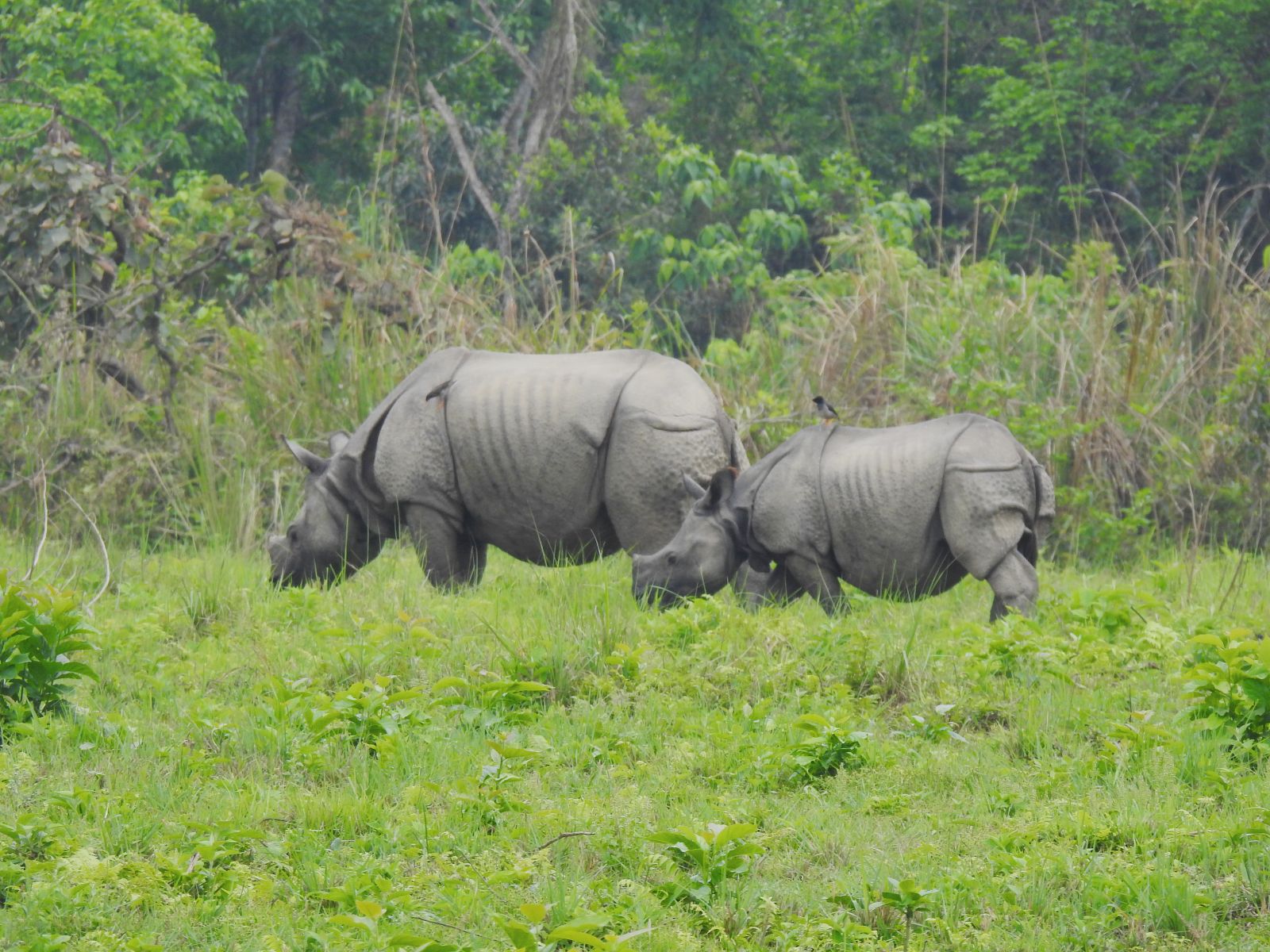
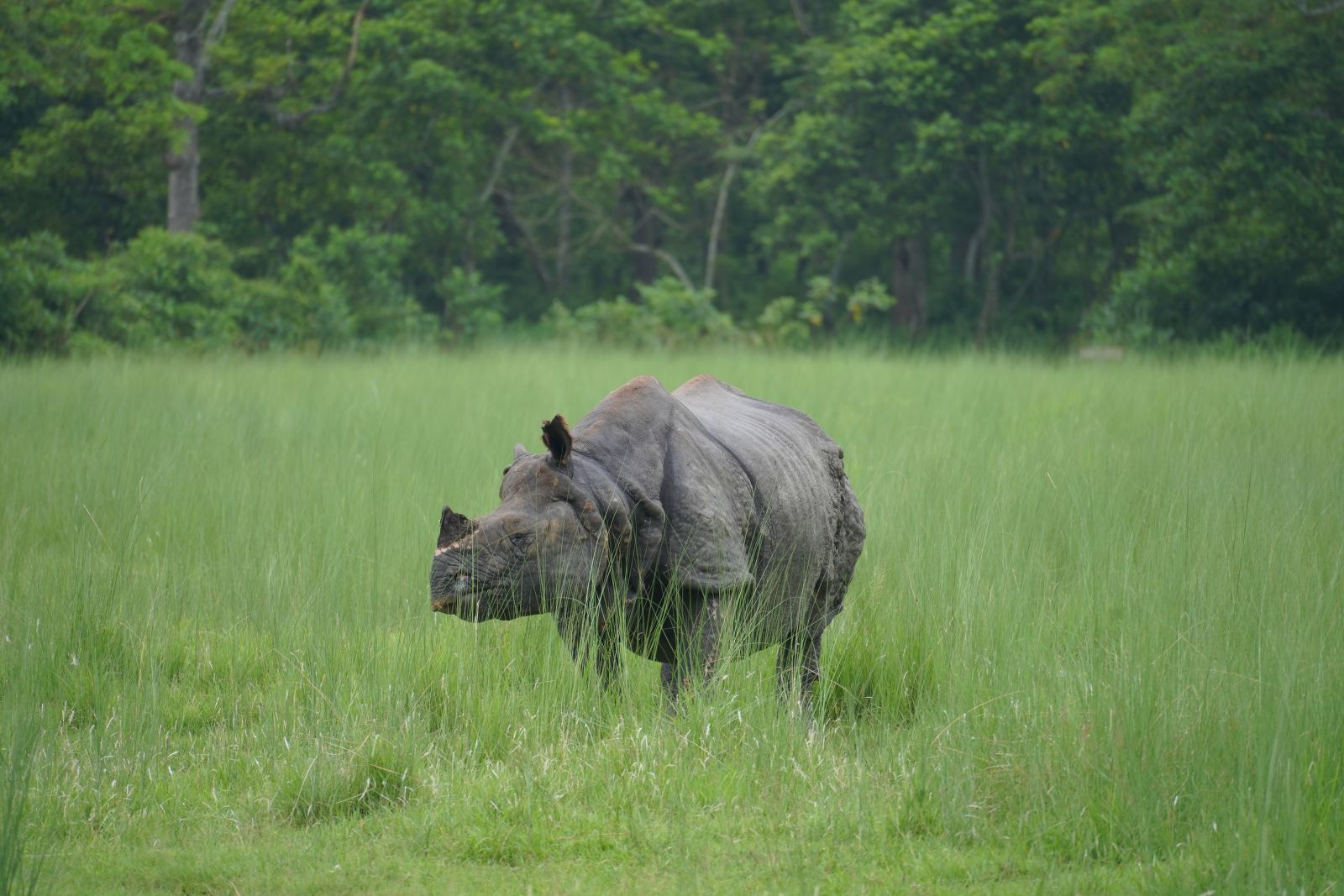
The greater one-horned rhinoceros is one of Chitwan National Park's most iconic animals. The park is one of the best places in Nepal to observe these magnificent creatures in their natural habitat.

During a jeep safari, canoe ride or guided nature walk, you may encounter rhinos grazing in grasslands, resting near waterholes or moving through the forest. Seeing a rhino in the wild, while maintaining a safe and respectful distance, is often one of the highlights of a Chitwan safari.

2. Bengal Tiger

Chitwan National Park is also home to the elusive Bengal tiger. Although tiger sightings are never guaranteed, the park provides important habitat for this magnificent predator.

Tiger tracking requires patience, experienced guides and a little luck. Visitors may discover signs of tiger activity, including footprints, scratch marks or calls from other wildlife, making the search itself an exciting part of the safari experience.

3. Asian Elephants

Wild elephants occasionally move through the forests and grasslands of Chitwan National Park. These intelligent and powerful animals are an important part of the park's ecosystem.

Visitors may also learn about elephants through responsible elephant-care experiences in the surrounding area, where the focus is on observation, education and animal welfare.

4. Sloth Bear

The sloth bear is another fascinating mammal found in Chitwan. Although sightings are less common, the park's forest habitats provide shelter and food for these unique animals.

Sloth bears are generally shy and elusive, making any encounter a special wildlife moment.

5. Gharial and Mugger Crocodiles

Chitwan's rivers are home to two fascinating crocodilian species: the gharial and the mugger crocodile.

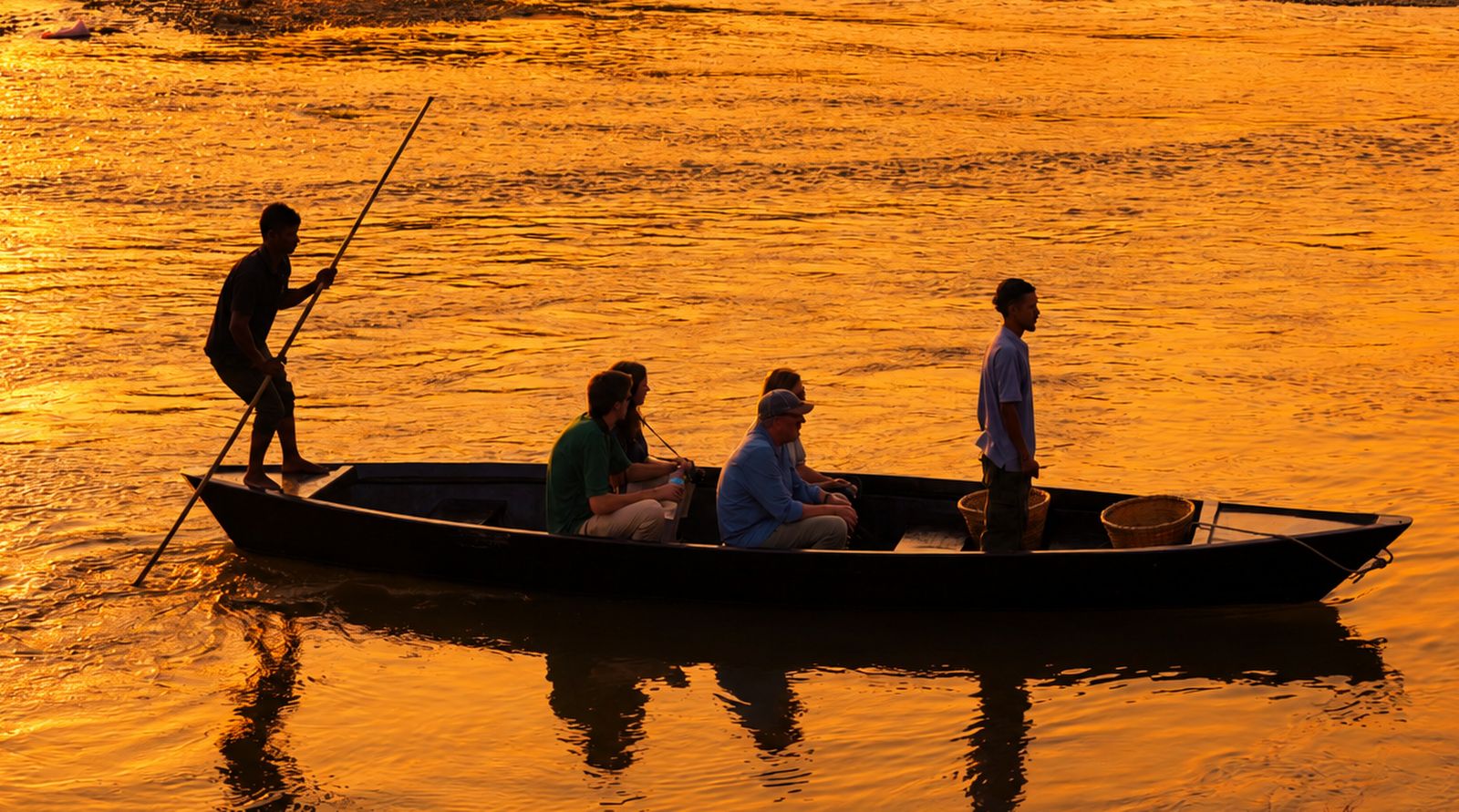
A canoe trip along the Rapti or Narayani River offers an excellent opportunity to observe crocodiles basking on riverbanks. Gharials can sometimes be seen resting along sandy banks, while mugger crocodiles are often found near the water's edge.

6. Deer and Other Mammals

Chitwan National Park is home to several species of deer and other mammals, including:

  • Spotted deer
  • Sambar deer
  • Hog deer
  • Barking deer
  • Wild boar
  • Golden jackal
  • Rhesus monkeys
  • Langur monkeys

These animals are frequently encountered during safari activities and play an important role in the park's natural ecosystem.

Birdwatching in Chitwan

Chitwan National Park is a paradise for bird lovers, with hundreds of bird species recorded in the park and surrounding wetlands.

Some birds you may encounter include:

  • Giant hornbill
  • Lesser adjutant
  • Asian paradise flycatcher
  • Kingfishers
  • Peacocks
  • Eagles and vultures
  • Storks
  • Herons and egrets
  • Various migratory birds

The wetlands, rivers, grasslands and forests create different habitats, making Chitwan an excellent destination for birdwatching throughout the year.

What Safari Activities Offer the Best Wildlife Sightings?

Jeep Safari

A jeep safari is one of the best ways to explore the deeper areas of Chitwan National Park. With an experienced local guide, visitors can travel through different habitats, including dense forests, grasslands and river areas.

Jeep safaris offer opportunities to search for rhinos, deer, monkeys, crocodiles, birds and, with luck, larger predators.

Canoe Ride

A peaceful canoe ride along the Rapti River provides a completely different wildlife experience. Visitors can observe crocodiles, water birds and wildlife along the riverbanks while enjoying the natural surroundings.

Jungle Walk

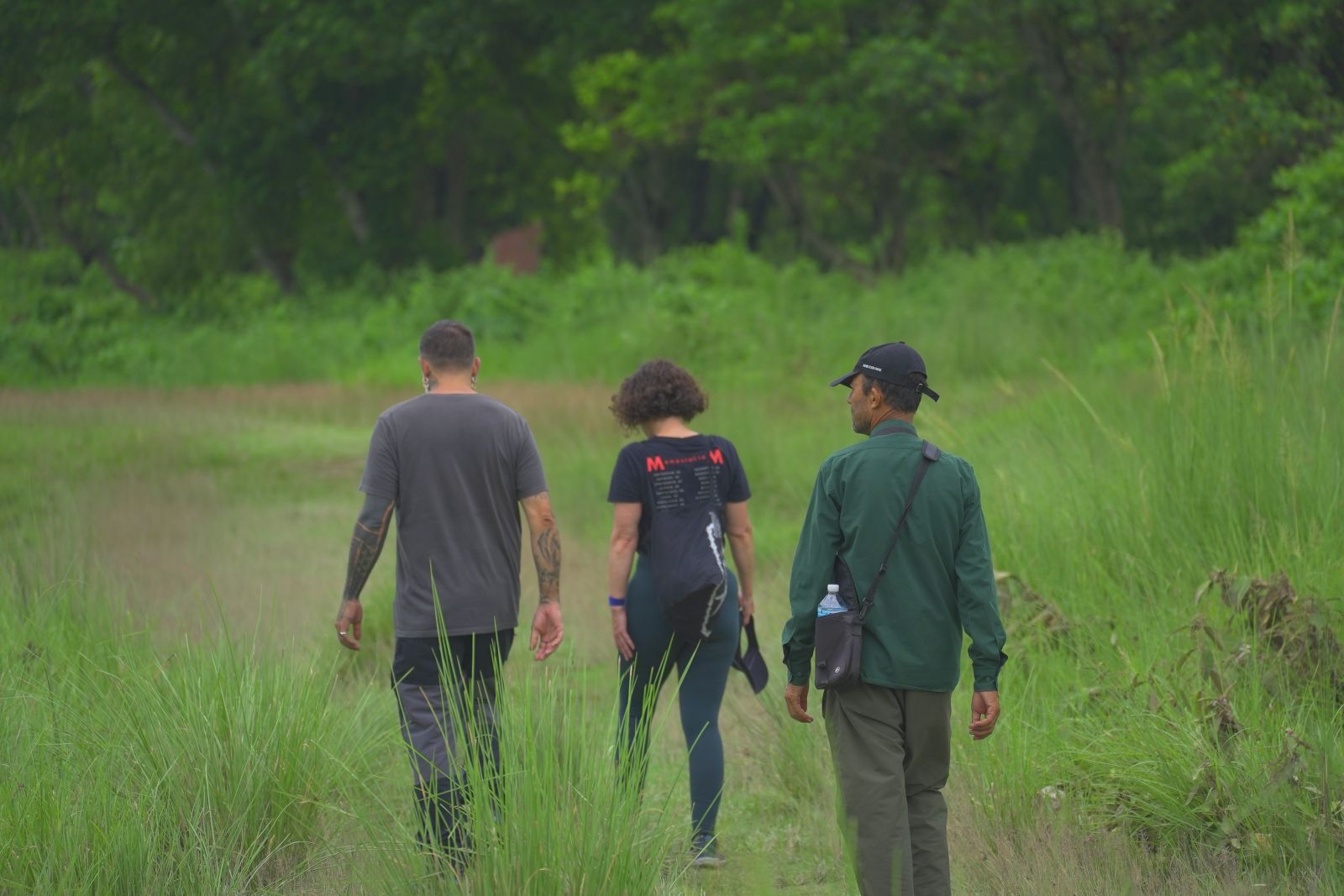
A guided jungle walk allows visitors to experience the forest at a slower pace. Walking with an experienced nature guide helps you discover animal tracks, birds, plants, insects and other details that may be missed during a vehicle safari.

Safety is always the priority, and visitors should follow their guide's instructions carefully.

When Is the Best Time to See Wildlife in Chitwan?

Chitwan offers wildlife experiences throughout the year, but different seasons provide different advantages.

October to March – Cool Season

The weather is generally pleasant, with comfortable temperatures and excellent conditions for wildlife viewing and outdoor activities.

March to May – Warm Season

Temperatures become warmer, and animals may gather around water sources, creating opportunities for wildlife sightings.

June to September – Monsoon Season

The monsoon brings lush green landscapes and beautiful scenery. However, heavy rainfall can affect safari activities and accessibility in some areas.

Wildlife sightings depend on many factors, including weather, animal movement, habitat conditions and luck. No safari can guarantee sightings of specific animals.

Responsible Wildlife Tourism

Wildlife tourism should always respect the natural behaviour and habitat of animals.

At Sapana Village Lodge, we encourage visitors to experience Chitwan through responsible and sustainable tourism practices. This means:

  • Maintaining a safe distance from wild animals
  • Never feeding wildlife
  • Following the instructions of experienced local guides
  • Avoiding unnecessary noise
  • Respecting the natural environment
  • Choosing wildlife experiences that prioritise animal welfare

Responsible tourism helps protect wildlife while supporting local communities and conservation efforts.

Experience Chitwan's Wildlife with Sapana Village Lodge

Located in Sauraha, close to the beautiful Chitwan National Park area and along the Budhi Rapti River, Sapana Village Lodge offers a peaceful base for exploring the region's wildlife and culture.

Our team can help arrange exciting experiences, including:

  • Jeep safaris in Chitwan National Park
  • Guided jungle walks
  • Canoe rides
  • Birdwatching experiences
  • Village tours
  • Tharu cultural experiences
  • Responsible elephant-care activities

After a day exploring the jungle, relax at our lodge, enjoy authentic local and international cuisine, and take in the peaceful surroundings of the Rapti River.

Discover the Wild Side of Chitwan

Chitwan National Park is more than a destination for wildlife sightings. It is an opportunity to connect with nature, discover Nepal's rich biodiversity and experience the beauty of the Terai landscape.

From the impressive one-horned rhinoceros to colourful birds, crocodiles and the possibility of spotting a Bengal tiger, every safari brings a new adventure.

Plan your wildlife safari in Chitwan with Sapana Village Lodge and experience the natural beauty of Nepal.

Contact our team to plan your wildlife adventure.
Travel Tips What to pack for a jungle adventure in Chitwan National Park Nepal

What to Pack for a Chitwan Jungle Adventure

A simple packing guide for comfortable, safe and enjoyable wildlife experiences
5 min
  • Know what to wear for jungle walks and safaris
  • Pack the right gear for every season
  • Bring essentials for comfort, health and photography
  • Avoid common packing mistakes
Packing Guide5 min read

A trip to Chitwan is full of exciting experiences, from jungle walks and wildlife viewing to river activities and village life. Packing well helps you stay comfortable, safe and focused on enjoying the adventure.

The good news is that you do not need to bring much. This guide covers the essentials for a memorable and comfortable stay in Chitwan.

Clothing for the jungle

1. Natural-coloured clothing

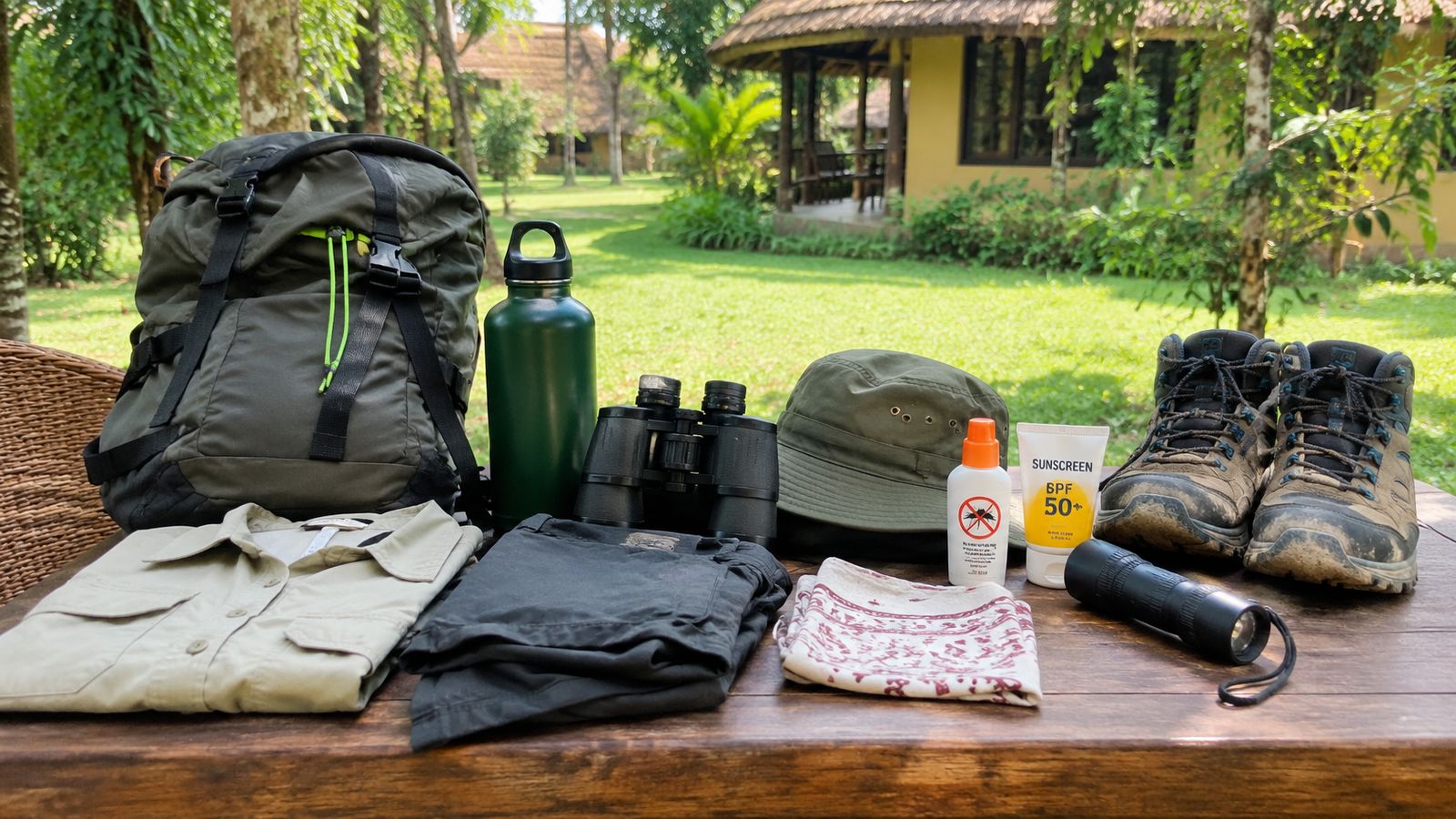
Choose shades such as green, brown, beige or khaki. These colours blend into the surroundings and are less likely to disturb wildlife. Avoid bright colours and strong patterns.

2. Lightweight, breathable fabrics

Chitwan can be warm and humid, so light, quick-drying clothing is ideal. Long sleeves and long trousers also offer useful protection from the sun, insects and tall grass.

3. Comfortable walking shoes

Sturdy, closed shoes or light hiking shoes are best for jungle walks. Make sure they are already worn in, so your feet stay comfortable.

4. A hat or cap

A wide-brimmed hat or cap helps protect you from the sun during daytime activities.

Essentials for comfort and health

  • Insect repellent
  • Sunscreen and lip balm
  • Sunglasses
  • A reusable water bottle
  • A small personal first-aid kit and any regular medication
  • Hand sanitiser and tissues
  • A small daypack for activities

Gear for wildlife and photography

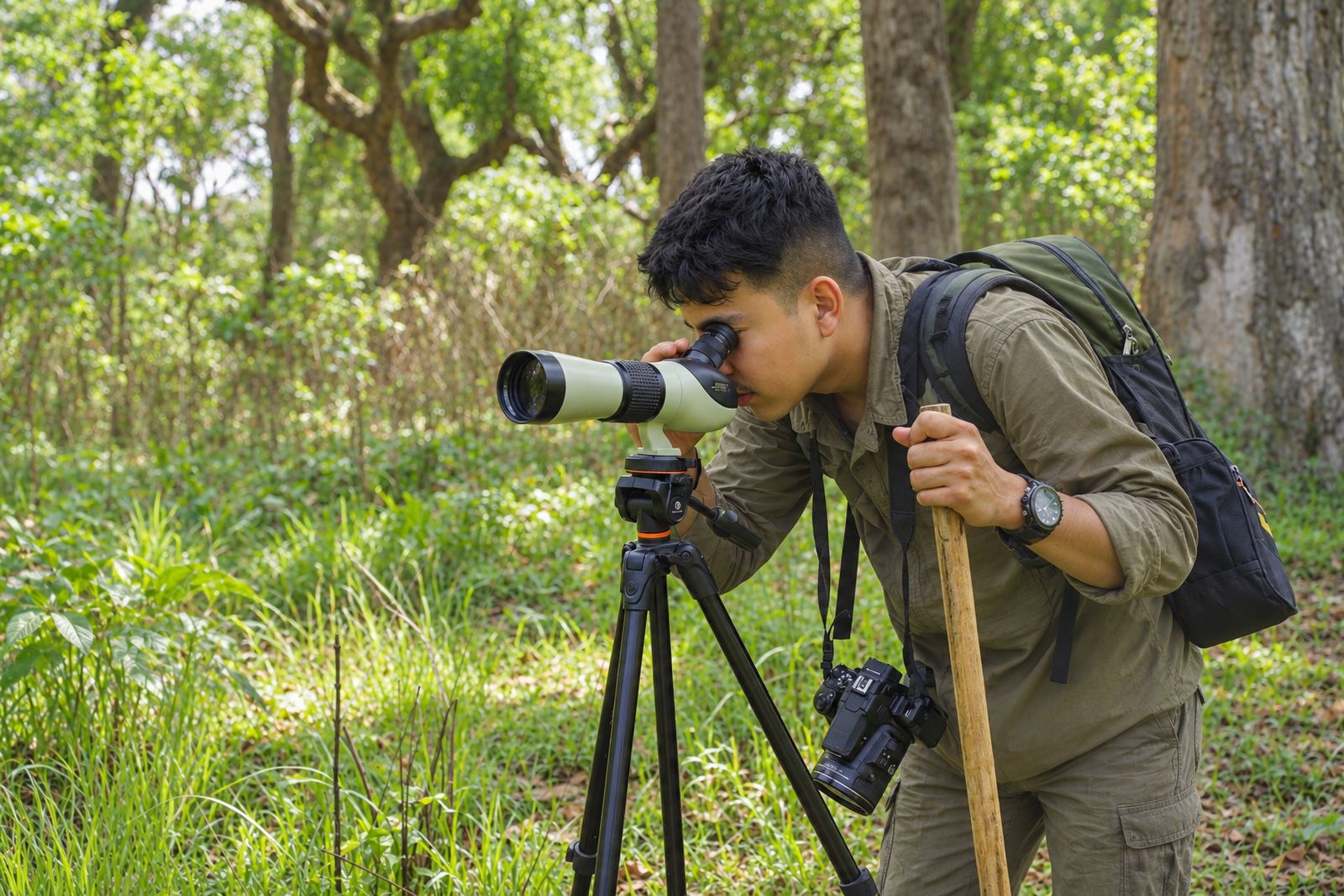
  • Binoculars for birds and distant wildlife
  • A camera with a zoom lens, if you have one
  • Spare batteries and memory cards
  • A power bank for your phone
  • A small waterproof bag or cover to protect electronics

What to pack for each season

October to February (cool season)

Days are generally pleasant, but mornings and evenings can be cool. Bring a light jacket or warm layer for early starts.

March to May (warm season)

Expect hotter days. Pack light, breathable clothing, plenty of sun protection and a reusable water bottle.

June to September (monsoon)

Bring a light rain jacket or poncho, quick-drying clothes and extra insect repellent. Waterproof covers for your bag and camera are very useful.

Helpful extras

  • A small torch or headlamp for evenings
  • A lightweight scarf or buff for sun and dust
  • A notebook or bird checklist
  • Some cash in small notes for local purchases
  • A copy of your passport and travel documents
  • A reusable bag to help reduce plastic waste

What you can leave at home

  • Bright or strongly scented clothing and perfumes
  • Heavy, bulky luggage
  • Expensive jewellery
  • Too many shoes or outfits

Tips for a smooth jungle experience

  • Dress in layers so you can adjust to changing temperatures.
  • Keep your belongings light and easy to carry.
  • Listen carefully to your guide and follow all instructions.
  • Move quietly and keep a respectful distance from wildlife.
  • Take your rubbish with you and protect the natural environment.
  • Drink enough water and take breaks when needed.

Get ready at Sapana Village Lodge

Located in Sauraha, bordering the beautiful Chitwan National Park area along the Budhi Rapti River, Sapana Village Lodge is a peaceful base for your jungle adventure.

Our team is happy to advise you on what to bring, suggest suitable activities for the season and arrange guided experiences with local nature guides.

Pack light, explore more

With the right clothing and a few simple essentials, you are ready to enjoy everything Chitwan has to offer, from quiet forest trails to peaceful riverside mornings.

Join us at Sapana Village Lodge and start your Chitwan adventure with confidence.

Contact our team to plan your stay.

Travel Guide Best time to visit Chitwan National Park Nepal

Best Time to Visit Chitwan, Nepal: A Complete Seasonal Travel Guide

Find the perfect season for wildlife, weather and unforgettable experiences
6 min
  • Compare Chitwan's seasons month by month
  • Know what weather to expect throughout the year
  • Discover the best time for wildlife and birdwatching
  • Plan your trip with helpful packing and travel tips
Seasonal Guide6 min read
Plan Your Visit

Chitwan is a rewarding destination all year round, but the experience changes with the seasons. From cool, clear winter mornings to lush green monsoon landscapes, each time of year offers something different for travellers.

Choosing the right season depends on what matters most to you: comfortable weather, wildlife viewing, birdwatching, fewer crowds or simply a peaceful escape into nature. This guide will help you decide when to visit.

Chitwan at a glance

Chitwan lies in Nepal's Terai region, a warm lowland area with a subtropical climate. Compared with the mountains, it is generally warmer and more humid, with a distinct monsoon season. Weather can vary from year to year, so it is always wise to check conditions before travelling.

Autumn (October to November): Fresh and beautiful

Autumn is widely considered one of the most pleasant times to visit Chitwan. After the monsoon, the landscape is green, skies are often clearer and temperatures become more comfortable.

  • Comfortable weather for outdoor activities
  • Lush scenery after the monsoon rains
  • Good conditions for jungle walks and village tours
  • Popular season, so booking ahead is a good idea

Winter (December to February): Cool and peaceful

Winter brings cooler temperatures, especially in the early morning and evening. Days are often pleasant and sunny, while mornings can be misty and atmospheric along the river.

  • Cool, comfortable daytime temperatures
  • Misty mornings that are wonderful for photography
  • A rewarding time for birdwatching, with many migratory birds
  • Warm layers are useful for early starts and evenings

Spring (March to May): Warm and wild

Temperatures rise during spring, and the days can become hot, particularly towards April and May. Early mornings and late afternoons are the most comfortable times for activities.

  • Warmer weather, so plan activities for early or late in the day
  • Active wildlife around water sources
  • Fewer visitors than the peak season
  • Light, breathable clothing and sun protection are essential

Monsoon (June to September): Green and quiet

The monsoon transforms Chitwan into a vibrant green landscape. Rainfall is frequent, humidity is high, and some outdoor activities may be affected by weather and river conditions.

  • Beautiful, lush surroundings
  • A quieter atmosphere with fewer travellers
  • Activities may change depending on the weather
  • Bring rain gear and insect repellent

What is the best season for wildlife?

Wildlife can be encountered throughout the year, but many travellers find the cooler, drier months from October to March especially enjoyable for jungle activities. Animals are wild, so sightings are never guaranteed, and patience with an experienced local guide greatly improves the experience.

What is the best season for birdwatching?

Birdwatching is possible all year, but the cooler months, when migratory birds arrive, are often considered the most rewarding. Early mornings along the river and wetlands are particularly special.

Which season suits you best?

  • For comfortable weather: October to February
  • For birdwatching: October to March
  • For fewer crowds: the warmer and monsoon months
  • For green landscapes: June to November
  • For photography: the misty winter mornings

Helpful tips for planning your trip

  • Book accommodation early during the busy autumn and winter months.
  • Plan outdoor activities for early morning and late afternoon.
  • Pack according to the season: layers for winter, light clothing for summer.
  • Bring insect repellent, sunscreen and a hat.
  • Wear comfortable shoes and natural-coloured clothing for jungle walks.
  • Follow your guide's instructions and respect wildlife at all times.
  • Allow at least two to three nights to enjoy Chitwan properly.

Stay at Sapana Village Lodge in any season

Located in Sauraha, bordering the beautiful Chitwan National Park area along the Budhi Rapti River, Sapana Village Lodge offers a peaceful and welcoming base whatever time of year you choose to visit.

Our team is happy to help you plan your stay, suggest suitable activities for each season and arrange guided experiences with local nature guides.

So, when should you visit?

There is no single perfect time to visit Chitwan. Every season has its own character, whether it is the fresh air of autumn, the misty mornings of winter, the warm days of spring or the green calm of the monsoon.

Join us at Sapana Village Lodge and discover the natural beauty of Chitwan, Nepal, in the season that suits you best.

Contact our team to plan your visit.

Wildlife & Nature Ethical elephant tourism in Chitwan National Park Nepal

Ethical Elephant Tourism in Chitwan: A More Responsible Way to Meet Elephants

Learn how to enjoy Chitwan's elephants with respect, care and a clear conscience
6 min
  • Understand what ethical elephant tourism really means
  • Choose experiences that put elephant welfare first
  • Discover responsible ways to see elephants in Chitwan
  • Learn how your choices support conservation
Responsible Travel Guide6 min read

Elephants are one of the main reasons travellers dream of visiting Chitwan. Their size, intelligence and gentle nature make them unforgettable animals to see. But today, more and more visitors are asking an important question: how can I meet elephants in a way that is kind and responsible?

Ethical elephant tourism is about putting the animal first. It means choosing experiences that respect the natural behaviour, health and freedom of elephants, while still offering travellers a meaningful encounter with wildlife.

What is ethical elephant tourism?

Ethical elephant tourism focuses on observation, education and respect rather than entertainment. Instead of treating elephants as attractions, it allows visitors to learn about them and appreciate them from a respectful distance.

In simple terms, a responsible experience is one where the elephant's well-being is always more important than the tourist's photograph.

Why are many travellers choosing a different approach?

Awareness about animal welfare has grown around the world. Many travellers now prefer experiences that avoid riding, performing tricks or close physical contact for photographs, as these activities can cause stress or physical strain to elephants.

Wildlife organisations and responsible tourism advocates encourage visitors to choose experiences that let elephants behave naturally. This is better for the animals, and it often creates a more authentic and memorable journey for guests.

Signs of a responsible elephant experience

1. No riding

Experiences that do not involve riding on an elephant's back are generally considered more welfare-friendly.

2. No performances or tricks

Elephants should not be made to perform, paint, play or entertain crowds. Natural behaviour is far more fascinating to watch.

3. A respectful distance

Good experiences keep a safe and calm distance, allowing elephants to feel relaxed and visitors to stay safe.

4. Caring, knowledgeable guides

Experienced local guides can explain elephant behaviour, conservation and the wider ecosystem, turning a simple sighting into a real learning experience.

5. Transparency

Responsible operators are happy to answer questions about how animals are cared for. If answers are vague, it is worth thinking twice.

Responsible ways to experience elephants in Chitwan

Guided jungle walks and safaris

Exploring Chitwan National Park with an experienced nature guide gives you the chance to observe wildlife in its natural habitat, always with respect for the animals and their environment.

Learning about elephant conservation

Take time to learn about the role elephants play in the ecosystem and the challenges they face. Understanding the bigger picture makes every encounter more meaningful.

Choosing observation over interaction

Watching elephants quietly from a distance, whether walking, feeding or resting, is often the most rewarding and respectful way to enjoy them.

Tips for being a responsible wildlife traveller

  • Ask questions about how elephants are treated before booking.
  • Avoid activities that involve riding or performances.
  • Keep a respectful distance and never feed wild animals.
  • Stay quiet and follow your guide's instructions.
  • Do not use flash photography near wildlife.
  • Support local guides and community-based tourism.
  • Remember that every travel choice sends a message.

How your choices support conservation

Tourism can be a powerful force for good when it is done responsibly. By choosing ethical experiences, you help encourage a form of tourism that values animal welfare, protects natural habitats and supports local communities.

Every thoughtful decision, from the activity you choose to the way you behave around wildlife, contributes to a better future for Chitwan's elephants and the wider ecosystem.

Responsible wildlife experiences at Sapana Village Lodge

Located in Sauraha, bordering the beautiful Chitwan National Park area along the Budhi Rapti River, Sapana Village Lodge offers a peaceful setting for nature lovers who want to explore Chitwan with care and respect.

Our team can help you plan guided nature experiences that focus on observation, learning and the protection of wildlife, so you can enjoy Chitwan while treating its animals and habitats with the respect they deserve.

Whether you are travelling as a couple, a family or a solo explorer, we are happy to share advice on how to enjoy Chitwan responsibly.

Meet Chitwan's elephants the responsible way

Sometimes the most powerful wildlife moments are the quiet ones: an elephant moving calmly through tall grass, a family group at the river's edge, or the soft sounds of the forest at dawn.

Join us at Sapana Village Lodge and discover a kinder way to experience the wildlife and natural beauty of Chitwan, Nepal.

Contact our team to plan your responsible wildlife experience.

Wildlife & Nature Birdwatching in Chitwan National Park Nepal

Birdwatching in Chitwan: Discover the Incredible Birdlife of Nepal

Explore wetlands, rivers, grasslands and forests filled with beautiful birds
6 min
  • Discover resident and migratory birds of Chitwan
  • Explore the Rapti River, wetlands and forest habitats
  • Spot kingfishers, herons, storks and many more species
  • Learn about guided birdwatching experiences
Nature Guide6 min read

Chitwan is one of Nepal's most fascinating destinations for birdwatching. With its beautiful rivers, wetlands, grasslands and tropical forests, the region offers a wonderful opportunity to discover an incredible variety of birdlife.

Whether you are an experienced birdwatcher, a wildlife photographer or simply someone who enjoys nature, Chitwan offers memorable encounters with birds in their natural habitats.

Why is Chitwan a paradise for birdwatching?

The diverse landscape surrounding Chitwan National Park creates ideal habitats for many different bird species. From riverbanks and marshlands to open grasslands and dense forests, each environment attracts different birds.

The Rapti River and its surrounding wetlands are particularly interesting places for birdwatching. These areas provide feeding and resting grounds for waterbirds, while the forests and grasslands are home to numerous resident and migratory species.

Birds you may encounter in Chitwan

Chitwan is home to a fascinating variety of birds. Depending on the season, location and weather conditions, visitors may encounter some remarkable species.

1. Kingfishers

Kingfishers are among the most colourful birds found along the rivers and wetlands. Watch them sitting quietly on branches before suddenly diving into the water to catch fish.

2. Herons and Egrets

These elegant waterbirds can often be seen standing in shallow water, patiently searching for fish, frogs and other small aquatic animals.

3. Storks

Chitwan's wetlands and grasslands provide important habitats for different stork species. Their impressive size and distinctive appearance make them fascinating subjects for wildlife photography.

4. Eagles and Other Birds of Prey

Look towards the sky and treetops for eagles, kites and other birds of prey. Their powerful flight and hunting behaviour make them exciting to observe.

5. Migratory Birds

During the migratory season, Chitwan welcomes many visiting birds from different parts of the world. Wetlands, riverbanks and open habitats become important resting and feeding areas.

Best places for birdwatching in Chitwan

Rapti River and Riverside Areas

The riverbanks are excellent places to observe kingfishers, herons, egrets and other waterbirds. Early morning is particularly peaceful, when bird activity is often at its highest.

Wetlands and Marshlands

Wetland habitats attract a variety of waterbirds. Look carefully around shallow water, vegetation and muddy river edges for feeding and resting birds.

Grasslands of Chitwan National Park

Chitwan's grasslands provide shelter and feeding opportunities for several bird species. Open areas are particularly interesting for spotting larger birds and birds of prey.

Forest Trails

Walking through the forest with an experienced nature guide allows you to listen for bird calls and discover species that are often difficult to notice without a trained eye.

What is the best time for birdwatching in Chitwan?

Birdwatching is possible throughout the year in Chitwan, but different seasons offer different experiences.

October to March: This is a particularly rewarding period for birdwatching, with the arrival of many migratory birds and generally comfortable weather.

April to May: Warmer temperatures and active resident birdlife provide opportunities for observation, especially during early mornings.

June to September: The monsoon transforms the landscape into lush green surroundings. Birdwatching remains possible, although rainfall and changing conditions can affect outdoor activities.

Tips for an enjoyable birdwatching experience

  • Start early in the morning when birds are active.
  • Bring binoculars for better observation.
  • Carry a camera with a suitable zoom lens.
  • Wear comfortable clothing in natural colours.
  • Move quietly and avoid disturbing wildlife.
  • Travel with an experienced local nature guide.
  • Be patient and enjoy the natural surroundings.

Responsible birdwatching and wildlife conservation

Birdwatching is not only about identifying different species. It is also an opportunity to understand the importance of healthy ecosystems and wildlife conservation.

Always maintain a respectful distance from birds. Avoid disturbing nests, playing loud bird calls or entering restricted habitats.

Responsible birdwatching helps protect wildlife while supporting nature-based tourism and local conservation efforts.

Experience birdwatching at Sapana Village Lodge

Located in Sauraha, bordering the beautiful Chitwan National Park area along the Budhi Rapti River, Sapana Village Lodge offers a peaceful setting for nature lovers and wildlife enthusiasts.

Our natural surroundings, riverside views, gardens and nearby wildlife habitats create wonderful opportunities to enjoy the birdlife of Chitwan.

Guests can arrange guided birdwatching experiences with local nature guides and explore the diverse landscapes surrounding Chitwan National Park.

Whether you wish to photograph colourful kingfishers, observe waterbirds along the river or simply enjoy the morning birdsong, Chitwan offers something special for every nature enthusiast.

Discover the beautiful birdlife of Chitwan

Sometimes the most memorable wildlife experiences are found in the quietest moments. A kingfisher diving into the river, an eagle soaring above the forest or the morning calls of birds in the grasslands can make your Chitwan visit truly special.

Join us at Sapana Village Lodge and discover the incredible birdlife and natural beauty of Chitwan, Nepal.

Contact our team to plan your birdwatching experience.

Travel Planning Beautiful Rapti River and natural landscape in Chitwan Nepal

How to Spend 3 Days in Chitwan

A complete wildlife and cultural itinerary
7 min
  • Day 1: Arrival, riverside relaxation and Tharu culture
  • Day 2: Jeep safari and river adventure
  • Day 3: Birdwatching and a relaxed departure
  • Includes practical travel and booking advice
Free itinerary7 min read

How many days do you need to experience Chitwan? If you are visiting for the first time, two nights and three days provide a good introduction to the region's wildlife, culture and natural surroundings.

Based in Sauraha, you can combine wildlife exploration in Chitwan National Park with traditional Tharu culture, river activities, birdwatching and time to relax. The following itinerary is designed to avoid rushing between activities while allowing you to experience the best of the region.

Day 1: Arrive in Sauraha and discover Tharu culture

Morning or afternoon – Arrival and check-in

Travel from Kathmandu, Pokhara or Bharatpur to Sauraha. Road journeys depend on traffic and road conditions, while flights to Bharatpur require a further road transfer to your accommodation.

Check in, enjoy lunch and take time to settle into the peaceful surroundings of Chitwan.

Afternoon – Explore the local village

Take a guided walk through a nearby Tharu village. Learn about traditional houses, local farming, cultural practices and everyday life in the Terai. If available, visit a cultural museum to discover traditional clothing, household objects and local history.

Evening – Experience Tharu culture

Depending on the programme and availability, enjoy a traditional Tharu dance performance and folk music. Finish the day with a relaxing dinner featuring local and international dishes.

Day 2: Explore Chitwan National Park

Early morning – Birdwatching or canoe ride

Begin the day with a peaceful nature experience. Depending on river conditions and activity availability, choose a canoe ride on the Rapti River or a guided birdwatching excursion.

Chitwan is recognised for its remarkable bird diversity. Riverbanks and wetlands provide habitat for kingfishers, herons, storks and many other resident and migratory birds.

Breakfast – Return to your lodge

Enjoy breakfast and prepare for the main wildlife adventure of your trip.

Morning or afternoon – Jeep safari

Take a guided jeep safari through designated areas of Chitwan National Park. Explore forest tracks, grasslands and natural habitats while looking for the Greater One-Horned Rhinoceros, deer, wild boar, monkeys and a variety of birds.

The Bengal tiger is one of Chitwan's most fascinating residents, but spotting one is never guaranteed. A good safari is about understanding the ecosystem and observing wildlife responsibly, not simply counting animal sightings.

Evening – Relax beside the river

Return to your accommodation and enjoy a relaxing evening. Take in the natural surroundings, enjoy the riverside atmosphere or spend time at the swimming pool and wellness facilities.

Day 3: A peaceful morning before departure

Early morning – Nature walk or birdwatching

Start your final morning with a gentle nature experience around permitted areas near your lodge. Observe the changing landscape, listen to birdsong and enjoy the quieter side of Chitwan.

Breakfast and check-out

Enjoy breakfast, take some final photographs and prepare for your onward journey.

If you have additional time, you can consider visiting a local handicraft shop or exploring another cultural attraction before departure.

Where should you stay in Chitwan?

Sauraha is one of the main gateways for visitors exploring Chitwan National Park. Staying in a well-located lodge makes it easier to arrange early morning activities, return for meals and enjoy the surrounding natural environment.

Sapana Village Lodge offers Tharu-inspired architecture, comfortable accommodation, a riverside restaurant, swimming pool, spa and wellness facilities and relaxing outdoor spaces.

Guests can also explore cultural experiences and wildlife activities through our local tourism network.

How do you get to Chitwan?

From Kathmandu, you can travel by road or take a flight to Bharatpur followed by a road transfer to Sauraha. Road travel time varies depending on traffic, weather and road conditions. Visitors coming from Pokhara can also travel by road.

If you are travelling during the monsoon, allow extra time and check road and activity conditions before departure.

What is the best time to visit Chitwan?

October to March is generally the most comfortable period for a first visit, with relatively dry weather and pleasant daytime temperatures. December and January can bring cool mornings and evenings.

April and May are considerably hotter but can still be rewarding for wildlife and birdwatching. June to September brings monsoon rain, lush vegetation and seasonal changes to outdoor activities.

How much time should you allow for each activity?

Activity durations vary according to the operator, route and park regulations. A jeep safari may take several hours, while a canoe trip and birdwatching excursion can be shorter experiences. Keep some flexibility in your itinerary rather than booking every hour of your stay.

Why choose Sapana Village Lodge for your Chitwan stay?

A Chitwan holiday is about more than a safari. It is an opportunity to experience wildlife, local culture and the natural beauty of Nepal's southern plains.

At Sapana Village Lodge, we bring these experiences together through comfortable accommodation, locally inspired hospitality, nature activities and connections with the surrounding community.

Whether you are travelling as a couple, family or small group, our team can help organise a memorable two-night, three-day Chitwan holiday.

Contact us to plan your visit and discover Chitwan at your own pace.

Wildlife & Adventure Wildlife and jungle safari experiences in Chitwan National Park

Which Chitwan Jungle Adventure Is Right for You?

Compare three unforgettable experiences
7 min
  • Jeep safari: explore forests and grasslands
  • Jungle walk: discover nature on foot
  • Canoe ride: observe river wildlife and birds
  • Compare safety, comfort and wildlife experiences
Free guide7 min read
Plan My Safari

Visiting Chitwan National Park is one of the highlights of travelling through Nepal's Terai region. But how should you explore the jungle? Should you travel through the forest in a jeep, walk with a naturalist or enjoy a peaceful canoe ride along the river?

Each activity reveals a different part of Chitwan's ecosystem. Your best choice depends on your interests, physical comfort, travel dates and the kind of wildlife experience you want.

1. Jeep Safari: The best option for exploring larger areas

A jeep safari allows visitors to travel through designated forest tracks, grasslands and other accessible habitats inside Chitwan National Park. It is particularly suitable for travellers who want to explore more ground without spending several hours walking.

Chitwan is famous for the Greater One-Horned Rhinoceros. Other wildlife includes spotted deer, sambar deer, wild boar, monkeys, crocodiles and many bird species. Bengal tigers, leopards and sloth bears also inhabit the park, although sightings are unpredictable.

A jeep safari is especially suitable for:

  • First-time visitors to Chitwan.
  • Wildlife photographers carrying camera equipment.
  • Families and travellers who prefer less physical activity.
  • Visitors interested in exploring different forest habitats.

What to expect: A bumpy ride over natural forest tracks, changing landscapes and opportunities to observe wildlife from the vehicle. Animals are wild and sightings can never be guaranteed.

2. Jungle Walk: Discover the forest at ground level

A jungle walk offers a completely different perspective. Instead of travelling through the forest in a vehicle, you explore nature on foot with an appropriately authorised and experienced guide.

You can learn to recognise animal footprints, feeding signs, bird calls, plants, insects and the relationships between different parts of the ecosystem.

Jungle walks are particularly rewarding for nature lovers, birdwatchers and travellers interested in understanding the forest rather than simply looking for large animals.

Important safety information: Walking in wildlife habitats requires proper guidance and compliance with current national park regulations. Visitors must follow their guide's instructions, maintain appropriate distances from wildlife and never approach, feed or attempt to photograph animals at close range.

3. Canoe Ride: Explore Chitwan from the river

The Rapti River provides another fascinating way to experience Chitwan's natural environment. A traditional canoe ride takes you along the river at a gentle pace, offering views of riverbanks, wetlands and surrounding vegetation.

Depending on the route and season, you may see marsh mugger crocodiles, the endangered gharial and a variety of waterbirds. Kingfishers, herons, storks and other species can make the journey especially rewarding for birdwatchers.

Canoeing is an excellent option for travellers who enjoy photography, birdwatching and peaceful natural scenery.

What to expect: A quieter experience focused on observing river wildlife rather than covering large distances through the forest. Follow the boat operator's safety instructions and wear the recommended life jacket.

Which experience is best for you?

If your priority is exploring a larger area of the park, choose a jeep safari. If you enjoy nature interpretation, animal tracks and bird calls, a guided jungle walk may be more rewarding. If you prefer a peaceful experience with river scenery and aquatic wildlife, choose a canoe ride.

For a more complete introduction to Chitwan, combining a jeep safari with a canoe ride or birdwatching experience can provide a wonderful balance of forest and river environments.

When is the best time for these activities?

October to March is generally the most comfortable period for visiting Chitwan, with relatively dry weather. April and May can offer rewarding wildlife and birdwatching experiences, although temperatures can become very high.

June to September is the monsoon season. Heavy rainfall, high water levels, muddy tracks and wildlife breeding considerations can affect activity schedules. Commercial jeep safaris inside the national park may be suspended during this period. Some activities in permitted buffer zone areas may operate under separate arrangements. Always confirm availability before travelling.

Responsible wildlife tourism matters

Chitwan's wildlife belongs in its natural habitat. Never feed wild animals, make unnecessary noise, leave designated routes or pressure guides to approach animals for photographs. Choose authorised operators and follow all national park instructions.

Explore Chitwan with Sapana Village Lodge

Located near Chitwan National Park and beside the beautiful Rapti River, Sapana Village Lodge provides a convenient base for exploring the region.

Our team can help you select suitable wildlife and nature experiences according to your travel dates, interests and available time. Combine jungle adventures with cultural discovery, riverside relaxation and comfortable accommodation.

Your Chitwan adventure should be about more than spotting wildlife. It should be about understanding and respecting the natural environment.

Culture & Heritage Traditional Tharu village and cultural heritage in Chitwan Nepal

Discover the Tharu Culture of Chitwan

A journey into local life and traditions
6 min
  • Meet the indigenous Tharu community
  • Discover traditional homes and wall paintings
  • Explore local food, farming and craftsmanship
  • Understand festivals, music and traditions
Free guide6 min read

Chitwan is famous for its rhinoceroses, jungles and wildlife, but there is another side of the region that deserves just as much attention: its people and cultural heritage. A visit to a traditional Tharu village offers an opportunity to understand the indigenous community that has lived in Nepal's Terai region for generations.

The Tharu people have a distinctive cultural identity shaped by their relationship with the forests, rivers, agricultural land and natural environment of the Terai. Exploring their villages with a knowledgeable local guide can make your Chitwan holiday much more meaningful.

Who are the Tharu people?

The Tharu are one of Nepal's major Indigenous communities, traditionally inhabiting the southern plains of the country. Their languages, customs, food, architecture and festivals vary between different Tharu communities and regions. In Chitwan, Tharu heritage remains an important part of local identity and everyday life.

Traditional Tharu houses and architecture

One of the most interesting features of a village visit is traditional Tharu architecture. Older houses commonly use locally available materials such as mud, bamboo, timber and thatch. Their walls may feature decorative paintings with floral, geometric and animal-inspired designs.

These homes reflect practical knowledge developed over generations, including ways of working with the hot climate and agricultural surroundings of the Terai.

Tharu food: Discover the flavours of the Terai

Food is an important part of Tharu cultural identity. Traditional dishes often use rice, locally grown vegetables, fish and seasonal ingredients.

Look out for Dhikri, steamed rice-flour dumplings that are particularly associated with Tharu celebrations and family gatherings. Other traditional foods include Ghonghi, prepared from freshwater snails, and locally prepared fish dishes. Recipes differ between families and villages.

Festivals, music and traditional dance

Maghi, celebrated around mid-January, is one of the most important festivals for many Tharu communities. It marks the beginning of the traditional Tharu New Year and is associated with family gatherings, food, community celebrations and cultural traditions.

Traditional performances include Lathi Nach, commonly known as the Tharu stick dance, as well as other regional dances and folk music. These performances are expressions of living cultural traditions, not simply tourist entertainment.

Discover village life and traditional livelihoods

Depending on the village and season, you may see rice cultivation, vegetable farming, livestock keeping, fishing traditions and handmade crafts. A local guide can explain how these activities connect families with the surrounding landscape.

The experience becomes more meaningful when visitors take time to listen, ask questions and learn directly from community members.

How to visit a Tharu village respectfully

Remember that a traditional village is someone's home, not an open-air museum. A responsible visitor should:

  • Ask permission before photographing people or entering homes.
  • Respect local customs, privacy and religious places.
  • Dress appropriately when visiting family homes.
  • Listen to local explanations rather than making assumptions.
  • Buy local handicrafts directly from artisans when possible.
  • Choose community-based experiences that fairly benefit local people.

Where can you experience Tharu culture in Chitwan?

Sauraha and the surrounding villages provide opportunities to discover Tharu culture. Visitors can explore local settlements, visit cultural museums where available, learn about traditional food and attend cultural performances organised by local groups.

The best experience is not necessarily the longest tour. Even a short guided village walk can offer valuable insight when it is led by someone who understands the community and its traditions.

Experience local culture at Sapana Village Lodge

At Sapana Village Lodge, our connection with the Tharu community is an important part of our identity. Our lodge reflects local architectural influences and celebrates the cultural heritage of the region.

We encourage experiences that connect visitors with local people, traditional knowledge, food and craftsmanship while supporting community livelihoods. Our team can help arrange cultural experiences during your stay in Sauraha.

Come to Chitwan for the wildlife, but take time to discover the people and traditions that make this region special.

Planning a trip to Nepal?

Tell us your dates and what you like. We will send a day-by-day plan within a day.

Chat on WhatsApp